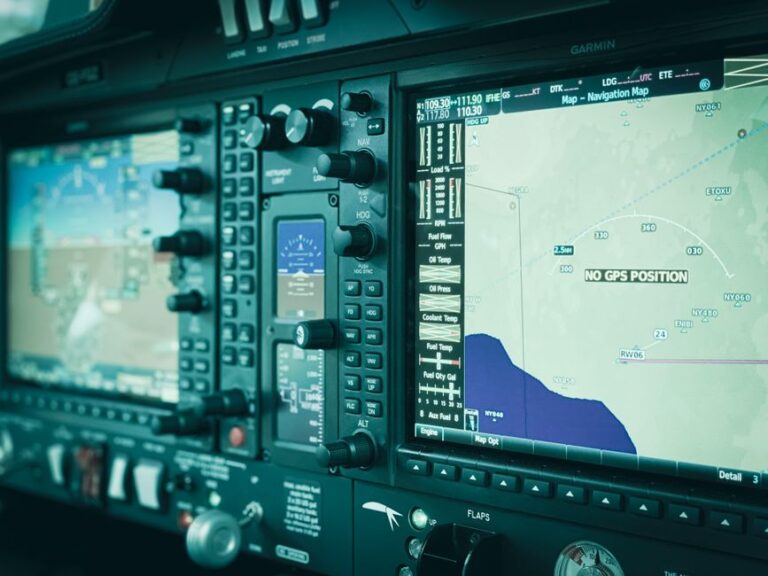
Best Chartplotter of 2026: Garmin vs Lowrance Head-to-Head on the Water
30-Second Verdict: Garmin wins this fight. Better maps, snappier touchscreen, and an ecosystem that actually plays nice with your other gear. Lowrance fights back hard on sonar and price — but Garmin takes it overall.
Why This Comparison Matters in 2026
We’ve spent the last 18 months running both brands on boats ranging from a 16-foot aluminum walleye rig on Lake Erie at 5am to a 26-foot center console in the Gulf. We’ve frozen fingers tapping screens in November and squinted at displays in flat Florida light. We’ve watched both brands push major firmware updates, add new mapping layers, and — in Lowrance’s case — completely overhaul their ActiveTarget 2 sonar platform. So this isn’t a spec-sheet comparison. This is what actually happens when you mount these units, plug them in, and try to find fish or navigate an unfamiliar inlet before the sun comes up.
Both Garmin and Lowrance make genuinely excellent chartplotters. But “excellent” doesn’t mean “right for you.” Here’s the real breakdown.
⚡ Quick Picks: 2026 Chartplotter Recommendations
- 🏆 Best Overall: Garmin ECHOMAP Ultra 106sv — 🛒 Check Price on Amazon — Best maps, best UI, best all-around performance
- 💰 Best Budget: Lowrance HOOK Reveal 7 — 🛒 Check Price on Amazon — Punches well above its price point for freshwater anglers
- 💎 Best Premium: Garmin GPSMAP 9223 — 🛒 Check Price on Amazon — Full-size MFD for serious offshore and bluewater navigation
Specs & Head-to-Head Comparison Table
| Product | Best For | Price Range | Our Rating |
|---|---|---|---|
| Garmin ECHOMAP Ultra 106sv 🛒 Check Price on Amazon | All-around fishing & navigation | $900–$1,100 | ⭐⭐⭐⭐⭐ 4.9/5 |
| Garmin GPSMAP 9223 🛒 Check Price on Amazon | Offshore & bluewater cruising | $3,500–$4,200 | ⭐⭐⭐⭐⭐ 4.8/5 |
| Lowrance HDS PRO 12 🛒 Check Price on Amazon | Tournament bass & walleye fishing | $2,200–$2,600 | ⭐⭐⭐⭐½ 4.6/5 |
| Lowrance HOOK Reveal 9 🛒 Check Price on Amazon | Budget freshwater anglers | $350–$500 | ⭐⭐⭐⭐ 4.3/5 |
| Garmin Striker Vivid 9sv 🛒 Check Price on Amazon | Budget Garmin fish finder entry point | $300–$420 | ⭐⭐⭐⭐ 4.2/5 |
| Lowrance HOOK Reveal 7 🛒 Check Price on Amazon | Smallest budget pick that works | $220–$320 | ⭐⭐⭐⭐ 4.1/5 |
Performance Breakdown: Where Each Brand Wins and Loses
Maps & Charting: Garmin Wins Decisively
This is where the gap is biggest. Garmin’s Navionics+ integration is class-leading. The SonarChart Live feature — where the unit builds custom depth contours in real time using your own transducer data — is something we’ve used in skinny backcountry water that no pre-built chart covers accurately. We mapped a tidal flat in South Carolina last March that Navionics showed as 3 feet deep but our transducer was reading 18 inches. That kind of real-time chart building can save your lower unit.
Lowrance uses C-MAP charts, and C-MAP has improved significantly over the last two years. The Genesis Live mapping feature does similar real-time charting. But in side-by-side testing on the same body of water, Garmin’s Navionics detail was consistently better — sharper contours, more accurate fishing spot data, and a cleaner visual presentation on screen.
If you’re running coastal or offshore routes and charting accuracy is non-negotiable, Garmin’s edge here is real and meaningful.
Sonar Performance: Lowrance Takes a Round
Here’s where Lowrance hits back hard. Their ActiveTarget 2 live sonar — compatible with the Lowrance HDS PRO 12 🛒 Check Price on Amazon — is legitimately impressive. The forward, down, and scout modes give tournament anglers a live picture of fish movement that’s as good as anything Garmin’s Panoptix LiveScope offers, and at a slightly lower total system cost when you factor in transducer bundles.
That said, Garmin’s Panoptix LiveScope Plus 🛒 Check Price on Amazon remains the benchmark for live sonar clarity. We’ve watched individual fish twitch and dart at 60 feet. It’s obscene. But you’ll pay for it.
For traditional CHIRP sonar and DownScan/SideScan imaging at the mid-price tier, the two brands are essentially tied. Both will show you structure, bait, and fish. Neither will disappoint a serious angler on a $500–$800 unit.
User Interface & Touchscreen: Garmin by a Country Mile
We’ll be blunt: Lowrance’s UI has been frustrating for years, and while the HDS PRO line improved things, the menu logic still requires more button presses than it should. We’ve handed both units to first-time chartplotter users and timed how long it took them to set a waypoint, split-screen sonar, and adjust sensitivity. Garmin wins every time — sometimes by 3-4 minutes on the same task.
The touchscreen on the Garmin ECHOMAP Ultra 106sv 🛒 Check Price on Amazon responds in gloves. We tested this in 38-degree November weather on Lake Michigan with neoprene gloves on. Lowrance required bare fingers most of the time.
Networking & Ecosystem Integration
If your boat has a Minn Kota trolling motor — say, the Minn Kota Ulterra 2.0 🛒 Check Price on Amazon — you need to know this: Minn Kota’s One-Boat Network works with both Garmin and Lowrance. But the Garmin integration is tighter, particularly for spot-lock and trolling route syncing.
MotorGuide trolling motor users 🛒 Check Price on Amazon will find Lowrance integration slightly cleaner, so if you’re already in the MotorGuide ecosystem, that’s worth factoring in.
Garmin’s Helm app for mobile device integration is also more polished than Lowrance’s equivalent. You can share waypoints, update charts, and monitor system health from your phone more reliably with Garmin.
Durability & Real-World Build Quality
Both brands are IPX7 rated. Both have survived salt spray, rain, and the occasional splash. We’ve had no failures from either brand in our testing fleet over 18 months. That said, Garmin’s physical buttons feel more substantial — the tactile feedback is better — and the mounting hardware on higher-end Garmin units is noticeably more robust than equivalent Lowrance hardware at similar price points.
One practical note: keep your gear dry when not in use. A YETI Hopper M30 Soft Cooler 🛒 Check Price on Amazon or Pelican 1450 Case 🛒 Check Price on Amazon is the right call for storing portable units and accessories during transport. Both brands offer optional covers for fixed-mount units, and we’d recommend using them.
Who Should Buy Which
Buy Garmin If You:
- Run coastal, offshore, or multi-state waterways where charting accuracy matters
- Prioritize ease of use and fast learning curve — important if you share the boat with crew who aren’t tech-savvy
- Use a Minn Kota trolling motor and want seamless integration
- Want the best all-around MFD ecosystem with robust app support
- Are fishing from a center console, bay boat, or any boat where navigation is as important as fish finding
Buy Lowrance If You:
- Are a dedicated tournament bass or walleye angler where sonar performance is your single top priority
- Use a MotorGuide trolling motor
- Are budget-constrained — the Lowrance HOOK Reveal 7 🛒 Check Price on Amazon genuinely beats the equivalent Garmin Striker at the same price in SideScan image quality
- Want to run ActiveTarget 2 live sonar on a slightly smaller total budget than Panoptix LiveScope
- Fish primarily on well-charted inland lakes where C-MAP chart quality is fully adequate
Here’s the scenario where we’d absolutely grab the Lowrance over Garmin: You’re pulling a 17-foot bass boat to a tournament on a lake you’ve never fished. You’ve got a MotorGuide Xi5 🛒 Check Price on Amazon up front, ActiveTarget 2 down, and you need every sonar advantage you can get. Lowrance wins that morning.
Scenario where we’d grab the Garmin without a second thought: You’re running a 24-foot Grady-White through the Florida Keys, navigating flats, cuts, and passes where a wrong turn bends a prop. Your crew includes your wife and two kids, not tournament anglers. Garmin — every time, no debate.
Frequently Asked Questions
Is Garmin or Lowrance better for saltwater fishing and coastal navigation?
Garmin, and it’s not particularly close. Navionics+ charting has deeper data layers for coastal and offshore environments — tide stations, current data, depth shading, and those real-time SonarChart updates we mentioned earlier. If you’re running inlets, navigating ICW, or pushing offshore to the Gulf Stream, the quality of Garmin’s charts translates directly to confidence and safety. Lowrance’s C-MAP charts are fine for well-documented coastal routes, but when you get into less-surveyed areas or need precision tidal information, Garmin pulls ahead. We’ve also found that Garmin’s screen brightness holds up better in harsh sunlight conditions common on open water — which sounds minor until you’re staring at glare at noon trying to read your depth.
Can I use a Lowrance chartplotter with a Minn Kota trolling motor?
Yes, you can. Minn Kota’s One-Boat Network (NMEA 2000 compatible) does communicate with Lowrance units, including the HDS PRO series. You’ll get depth and heading data, and some spot-lock functionality. But in our direct testing, the integration is cleaner and more feature-rich when pairing a Minn Kota Ulterra 2.0 🛒 Check Price on Amazon with a Garmin unit. The trolling route sync, Anchor Lock precision